
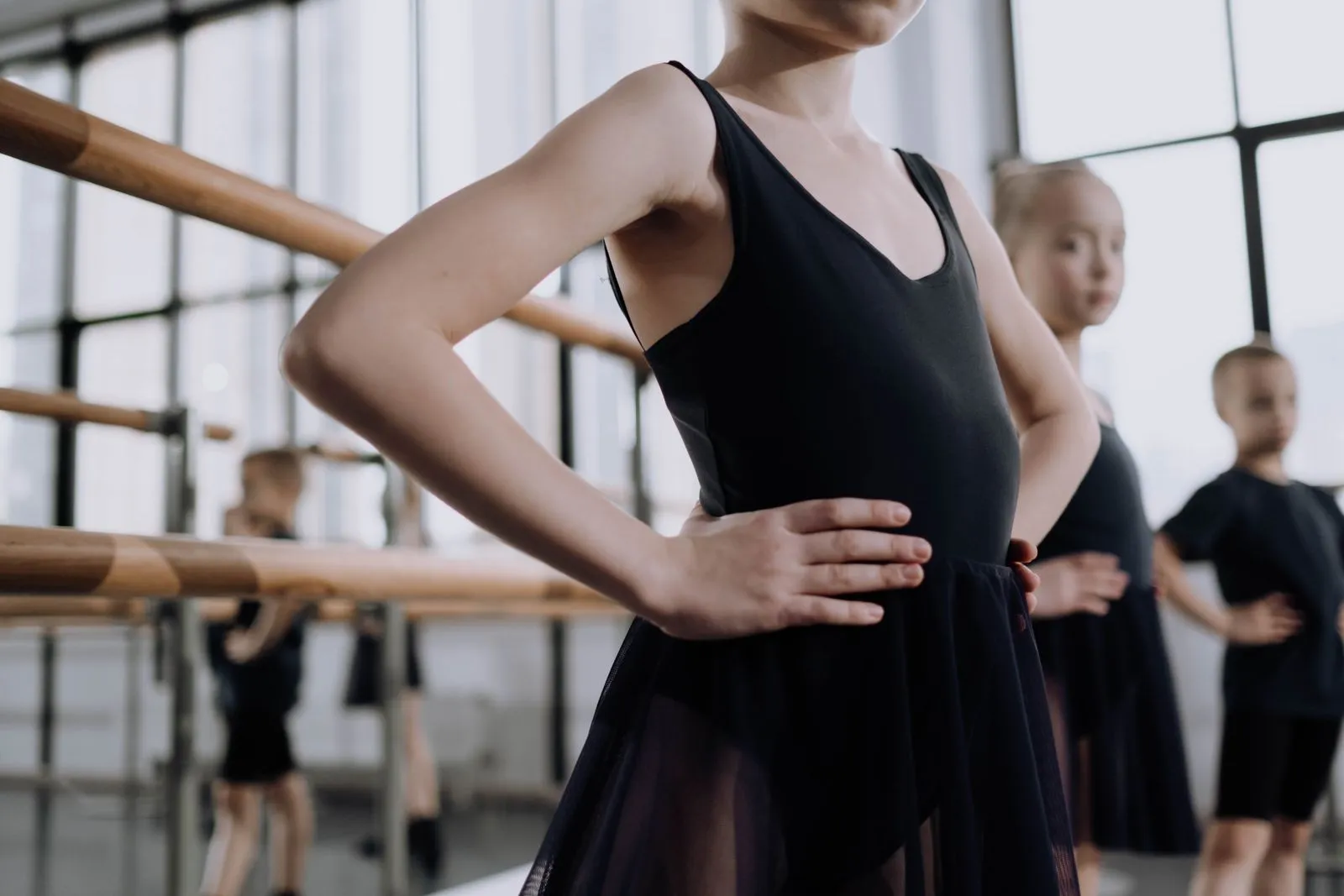
Dance brings movement, music, and creative choices together in a way that can make practice feel engaging. A simple step pattern may invite someone to shift weight, follow a beat, or coordinate arms and legs. These activities can be adjusted to different abilities and comfort levels, with seated, supported, or standing options. Progress does not have to look the same for everyone. The goal is to offer a welcoming space to explore movement and build confidence through repetition.
Practice Coordination Through Patterns
Dance often combines several actions: stepping, reaching, turning, or moving to a cue. Practicing one action at a time before putting them together can help make a pattern easier to follow. For example, a class might begin with a repeated side step, then add a clap or arm movement. Clear demonstrations and chances to repeat the sequence give participants time to learn at their own pace.
Instructors can offer choices that keep the focus on the same pattern. A participant might step, tap a foot, move an arm, or make a gesture from a seated position. Visual cues, spoken directions, and a steady rhythm can make the sequence easier to understand. Adaptations should feel like genuine ways to take part, not like a lesser version of the activity.
Build Balance With Supported Movement
Dance can invite people to shift their weight, pause in a pose, or move between positions. These small challenges offer opportunities to notice body position and practice steadiness. Start with movements that feel secure, such as shifting weight while seated or standing near a stable support. Keep the space clear and allow participants to choose whether to hold a chair, use a mobility aid, or remain seated.
Balance activities should be adjusted to the individual, not pushed as a test. A teacher can offer a smaller movement, a slower pace, or a wider stance, and provide rest breaks when needed. Participants should stop or change an activity if it causes pain, dizziness, or unusual discomfort. For personal safety guidance, check with a qualified health professional familiar with the participant’s needs.
Explore Rhythm and Musical Awareness
Following music can help participants notice changes in tempo, sound, and timing. Try clapping, tapping, or moving to a steady beat before introducing a faster or more varied track. A teacher can pause the music, change instruments, or use a visual signal so participants can connect what they hear with a movement. There is no need to match every beat precisely; listening and responding are useful parts of the experience.
Music choice matters. Familiar songs may help some participants feel at ease, while others may prefer quieter tracks or a consistent rhythm. Offer options when possible, keep the volume comfortable, and explain changes before they happen. A participant can respond with a gesture, a head movement, a foot tap, or simply listening before joining in.
Make Room for Self-Expression
Dance offers a way to communicate without relying only on words. Participants can choose a gesture, shape, or movement that reflects how a song feels to them. Invite exploration with open prompts, such as moving like something light or choosing a motion for a favorite part of the music. Avoid requiring a particular answer or judging whether a movement looks a certain way.
A supportive class recognizes personal choice as part of participation. Some people may enjoy performing a movement for the group; others may prefer to dance alongside the teacher or watch before trying. Ask before offering physical assistance, explain any adjustments, and respect a person’s decision to pause. At Open Step Dance in Naperville, adaptable activities can help make room for different ways of joining in.
Dance can bring coordination, balance, rhythm, and personal expression into an enjoyable movement experience. Begin with a simple activity, offer clear choices, and adjust the pace or position to fit the participant. With patient instruction and room to explore, people can take part in ways that feel comfortable. Consider trying an inclusive dance class to find an approach that works for you.